
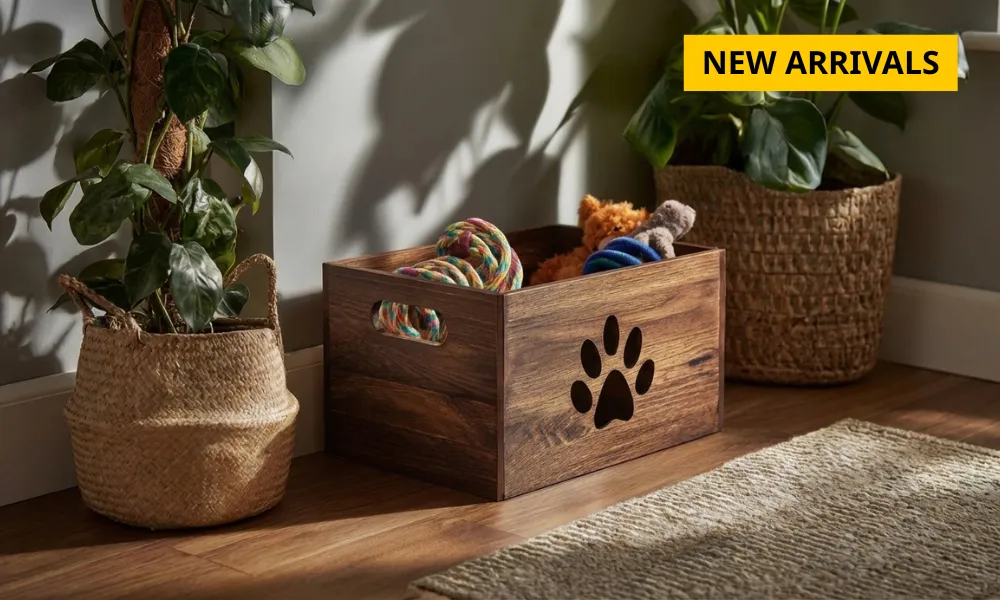
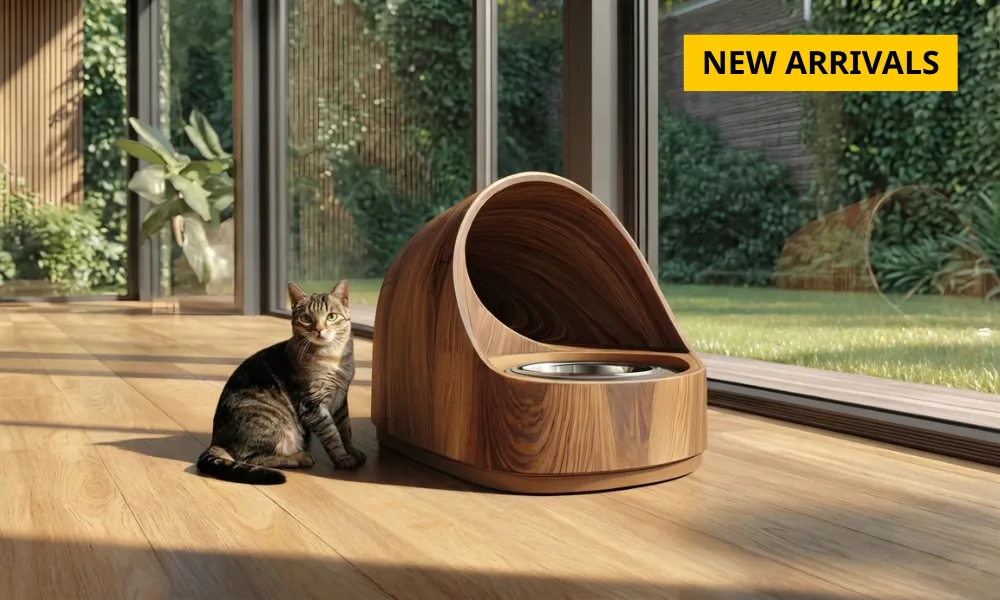
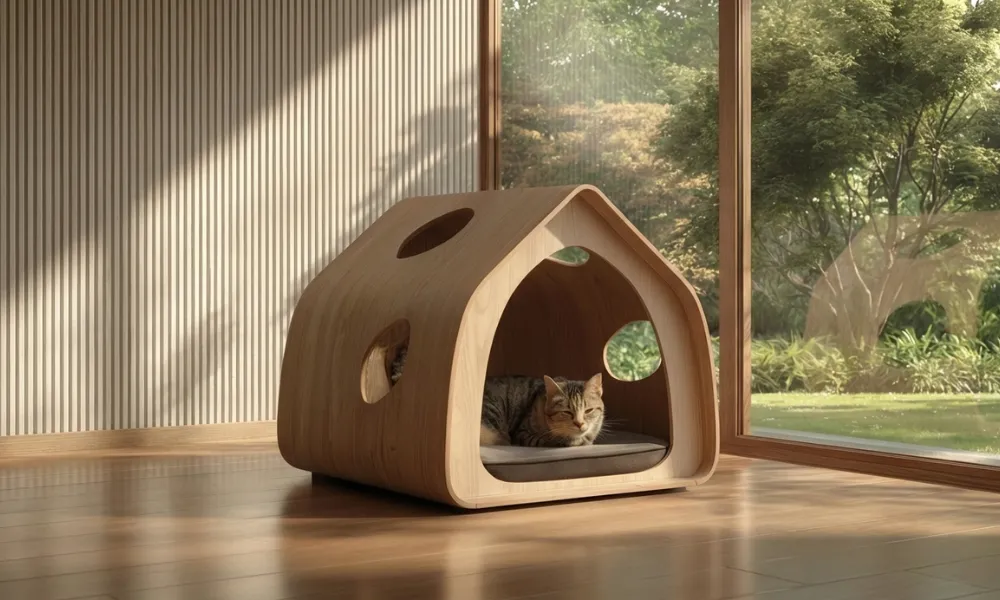
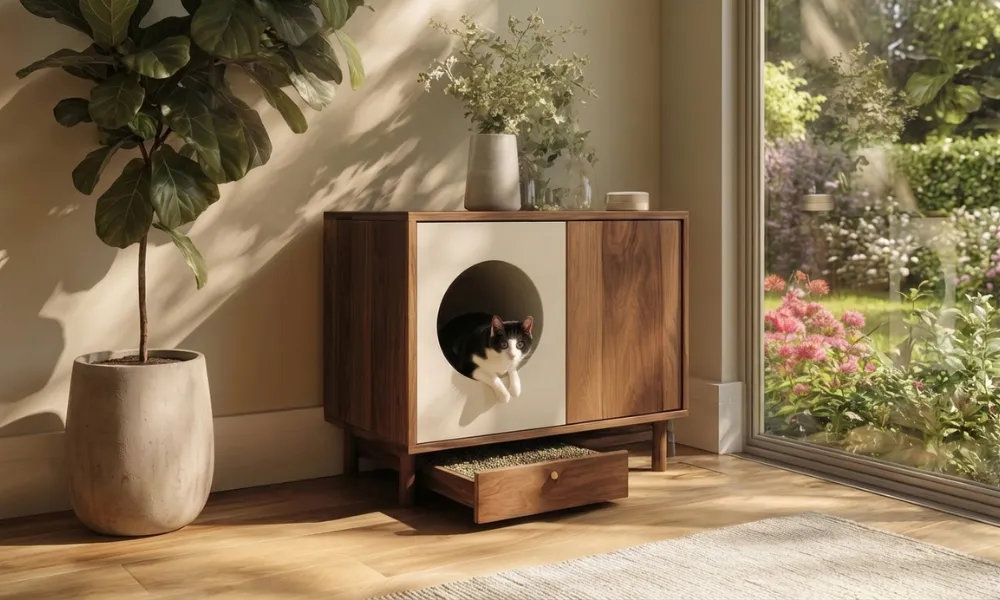
This guide compares pet toy storage box vs basket by access, appearance, capacity, and cleanup speed—so you can choose the option that fits your rooms and routines. The “right” toy storage is usually the one you will actually use. Some homes need fast, open access so toys can be returned quickly after play. Other homes need a more contained solution that keeps accessories from spilling out or looking messy. This is why pet toy storage box vs basket is a practical comparison: both can work, but they support different daily habits.
Quick rule: if you want the fastest reset and the most consistent “everything goes back here” system, a box usually wins. If you want casual access and you don’t mind a visible pile, a basket can work well.
Pet toy storage box vs basket: quick comparison
Compare what matters day to day
When comparing pet toy storage box vs basket, focus on the daily experience: how quickly you can reset a room, how messy the storage looks when it’s half full, and whether accessories stay contained. The best choice depends on your home’s layout and how your pet plays.
| Factor | Pet toy storage box | Pet toy basket |
|---|---|---|
| Cleanup speed | Fast resets because the opening is clear and items are contained. | Fast to toss items in, but toys can overflow and look messy quickly. |
| Appearance | Often looks more structured; helps keep a tidy corner even when full. | More casual; can look cluttered if toys stack high or spill out. |
| Capacity planning | Easier to manage a “toy limit” because the box has defined volume. | Easy to overfill; the top layer can become a mixed pile. |
| Access for pets | Can be pet-friendly if low and open; best for human-led reset routines. | Often easiest for pets to pull toys out (which can increase mess). |
| Accessory storage | Better for leashes, harnesses, wipes, and small items that should stay together. | Works for larger items; small accessories can get buried or tangled. |
Which option fits a “system” approach?
If you’re building a simple routine with daily resets and toy rotation, a pet toy storage box is usually easier to manage because it supports clear limits and contained storage. If you want the full framework for that system, start here: pet toy storage box guide.
When a pet toy storage box works better
You want a consistent daily reset routine
A pet toy storage box vs basket comparison often comes down to cleanup. If you want a two-minute reset before bed or before guests arrive, a box gives you a clear “drop zone” that looks structured even when it’s not perfectly organized. This is especially helpful in shared living rooms where clutter stands out.
You store more than toys
Many homes need storage for leashes, harnesses, grooming wipes, and training tools. A box keeps these items together and easier to find. If your household uses a “walk station,” a box supports that system better than a basket because accessories don’t tangle as easily. For a step-by-step approach to routines and placement, see: Pet Toy Storage Box: A Practical System for a Tidy Home.
You want to use toy rotation to keep fewer toys out
A box works well for rotation because it gives you a defined capacity. You can keep the active set out and store extras in the box or a secondary zone. If you’re organizing dog toys specifically, this related article can help: How to organize dog toys: a simple rotation system.
You have a small space or tight walkways
In small homes, overflow becomes a tripping hazard quickly. A box reduces spill-out and keeps toys contained. If your home also uses supplies-style pet pieces, you may want a cleaner corner approach that pairs well with other categories like Hideaway Side Tables blog.
Explore options here: Pet Toy Storage Boxes.
When a basket is the better choice
You want casual access and quick grab-and-go play
A basket can be the best answer in the pet toy storage box vs basket debate if your household treats toys as casual, frequent-use items. If you constantly grab a toy, toss it back, and grab another, a basket makes that easy. This can work well for dogs that prefer a visible pile of options.
Your toy collection is small and mostly soft
If you only have a handful of toys and they’re mostly soft items, a basket can stay tidy. Problems usually appear when the collection grows or includes awkward accessories like leashes and harnesses. If you expect your collection to expand, consider starting with a box now so the system scales smoothly.
Your basket stays in a low-visibility area
A basket works best when it sits in a spot where a little visual mess doesn’t matter—like a back corner of a family room or a pet zone that is not in the main line of sight. If your home is more open-plan, a box often blends more naturally because it creates a cleaner silhouette.
You want your pet to self-select toys (and you accept the trade-off)
Some pets like pulling toys out themselves. A basket can make that easier. The trade-off is that self-selection often increases mess, so you’ll want a consistent reset routine to keep toys from spreading. If you want a simple routine that supports daily resets, the pillar article is a strong foundation: pet toy storage box guide.
Decision checklist by room type
Living room (shared space)
In most living rooms, a pet toy storage box vs basket comparison favors the box. Shared spaces benefit from contained storage and faster resets. Choose a box if you want a tidy corner that doesn’t look like a toy pile. Choose a basket only if you have a small set of toys and you’re comfortable with visible clutter.
Bedroom (calm routines)
Bedrooms usually benefit from fewer toys out. A box supports the idea of “play stays in play zones” and “rest stays calm.” If your pet sleeps in the bedroom, consider pairing your toy system with a separate sleep zone from Pet Beds and keep toy storage minimal.
Entryway (walk station)
If you store leashes, harnesses, and wipe packs near the door, a box is usually more practical. It keeps small items contained and easier to find. A basket can work if the zone only holds one leash and one toy, but it becomes less reliable as accessories accumulate.
Pet toy storage box vs basket: final checklist
- Choose a box if you want faster resets, contained storage, and a cleaner visual corner.
- Choose a basket if you want casual access, a small toy set, and you don’t mind visible piles.
- Choose a box if you store accessories (leashes, harnesses, wipes) in the same place.
- Choose a basket if your pet self-selects toys and you accept more mess.
- In shared rooms, prioritize cleanup speed and appearance.