
Adjustable elevated dog bowl stand: pros and tradeoffs
The biggest advantage of an adjustable elevated dog bowl stand is that you can tune the height to match your dog’s posture and adjust it as your dog grows or as household needs change. This is especially useful for puppies, multi-pet homes, and owners who want to test height over a week of normal meals rather than guessing once.
Pros of an adjustable elevated dog bowl stand
- Height flexibility: you can raise or lower the bowls as your dog’s posture needs change.
- Multi-dog practicality: one stand can work across different sizes or different feeding schedules.
- Better fit testing: you can fine-tune the setup using real meals rather than assumptions.
- Longer useful life: an adjustable stand may stay relevant through growth stages or household changes.
Tradeoffs to consider
- More moving parts: rails, screws, and locks can loosen over time if not tightened occasionally.
- Stability varies by design: a taller setting can introduce wobble if the base is not wide or heavy enough.
- More cleaning points: joints and adjustment tracks can collect residue if spills happen often.
- “Set once” reality: many households adjust once and never touch it again, which can make a fixed stand more appealing.
Practical stability check
After setting the height, do a three-meal test. Watch for bowl movement, stand shifting, and whether your dog braces with their front paws. If it wobbles at higher settings, consider lowering slightly or choosing a stand with a wider footprint.
Fixed bowl stands: when simplicity wins
Fixed bowl stands are straightforward: one height, one structure, fewer points of adjustment. If your dog is fully grown and your feeding routine is stable, a fixed stand can be easier to live with day to day. Many owners choose fixed styles because they feel solid on the floor and take less effort to maintain.
When fixed stands are usually a better fit
- One adult dog: you already know the approximate height that works.
- Fast eaters: a rigid frame can reduce wobble during enthusiastic meals.
- Low-maintenance preferences: fewer parts typically means fewer cleaning and tightening tasks.
- Stationary feeding zone: the stand stays in one spot, near a wall or corner, where it is easy to wipe down.
Limitations of fixed bowl stands
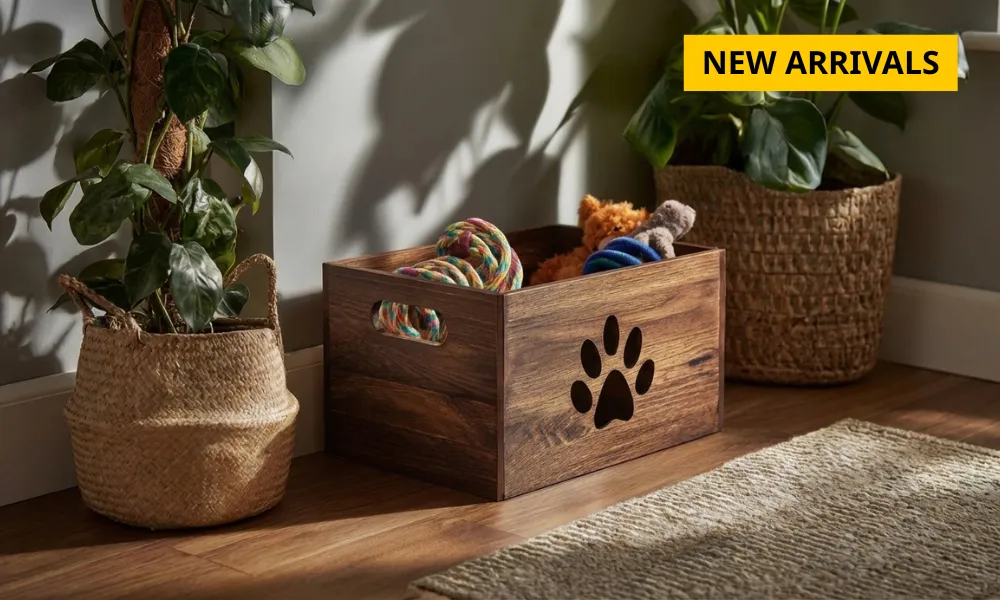
The main limitation is adaptability. If your household changes—adding a second dog, fostering, or moving to a different floor surface—you may need to replace the stand to maintain the same steadiness and comfort. Fixed can still work in multi-pet homes, but it often pushes you toward separate feeding stations. If your home struggles with clutter around the feeding zone, organization often improves routines more than a feature change. Consider keeping toys away from bowls and storing them nearby: Pet Toy Storage Boxes.
Multi-pet homes and growing dogs
Multi-pet and “changing dog” households are where the adjustable elevated dog bowl stand usually performs best. The goal is not only bowl height it is reducing competition, mess, and uncertainty at mealtime.
Growing dogs (puppies to adults)
Puppies can outgrow a feeding height quickly, especially in medium-to-large breeds. An adjustable elevated dog bowl stand can help you keep the same station while updating height as your dog’s body changes. Re-check measurements periodically using: Elevated Dog Bowl Stand Height Guide: A Practical Measuring Method.
Two dogs, different sizes
If one dog is significantly taller than the other, a single fixed height can force one pet to crouch or reach. In that case, you have two realistic options: use an adjustable elevated dog bowl stand and feed at different times, or use two separate stands sized to each dog. Many owners find two stations reduce competition and speed-eating.
Reducing mealtime crowding
Crowding increases mess and can increase stress during meals. Create space between stations, keep them out of traffic flow, and avoid placing bowls next to sleeping areas. If your dog settles after meals, create a separate rest space that stays clean: Pet Beds.
Buying checklist by household type
Use the checklist below to decide between an adjustable elevated dog bowl stand and a fixed stand based on how your household actually feeds—not the “ideal” routine. The best choice is the one you will maintain consistently.
Household type: one adult dog, consistent routine
- Best fit: fixed stand for simplicity and steadiness.
- Choose adjustable if you want precise height tuning or anticipate changes.
Household type: puppy or growing dog
- Best fit: adjustable elevated dog bowl stand to match growth stages.
- Priority: stability at higher settings and easy wipe-down surfaces.
Household type: multi-pet home
- Best fit: adjustable if one station must serve different dogs.
- Alternative: two fixed stands to reduce competition and make routines calmer.
Household type: messy feeding zone
- Best fit: choose the stand that stays steady on your flooring and is easiest to clean.
- Support the routine: add Pet Toy Storage Boxes to keep toys away from bowls.
Ready to browse options? Visit: Bowl Stands. Return to the pillar guide for the full setup framework: Elevated Dog Bowl Stand: How to Choose Height, Style, and Setup. Explore more in the Bowl Stands blog, or go back to Home. Related reading: If you are evaluating feeding setups for risk factors, discuss questions with your vet: Elevated Dog Bowls and Bloat: Questions to Discuss With Your Vet.