
This guide explains how to organize dog toys with a clear toy limit, a weekly rotation schedule, and simple storage zones that keep play areas tidy. If you feel like dog toys “multiply” overnight, you’re not alone. Most homes don’t need stricter rules—they need a simple system. The easiest way to learn how to organize dog toys is to treat toys like a small, rotating collection rather than an always-available pile. A rotation system keeps the floor clearer, makes cleanup faster, and often makes toys feel more interesting to your dog because the set changes regularly. This article is part of our toy organization category: Pet Toy Storage blog. A rotation system works best when your dog has reliable access to a few favorites and you have a consistent place to reset the room. The goal is fewer toys out, not fewer toys overall.
How to organize dog toys: set a “toy limit”
Why a toy limit makes cleanup easier
The first step in learning how to organize dog toys is choosing a toy limit for what stays out at one time. If every toy is always accessible, toys will spread across the home and resets take longer. A limit creates a practical boundary: you can keep play fun without turning your floor into storage.
Choose a limit that matches your dog’s play style
Start by observing how your dog plays. Some dogs rotate between different types of toys (chew, fetch, tug), while others focus on one favorite. A simple toy limit usually includes a small mix:
- 1–2 chew toys (for downtime and self-play)
- 1 fetch toy (ball or similar)
- 1 tug toy (if your dog enjoys interactive play)
- 1 “comfort toy” (a favorite soft toy if appropriate)
If your dog has a strong chewing habit, the “toy limit” helps you keep closer track of toy condition. You can swap damaged toys quickly instead of discovering small pieces later. This becomes especially important during your daily reset routine (covered below).
Make the limit visible with one primary storage spot
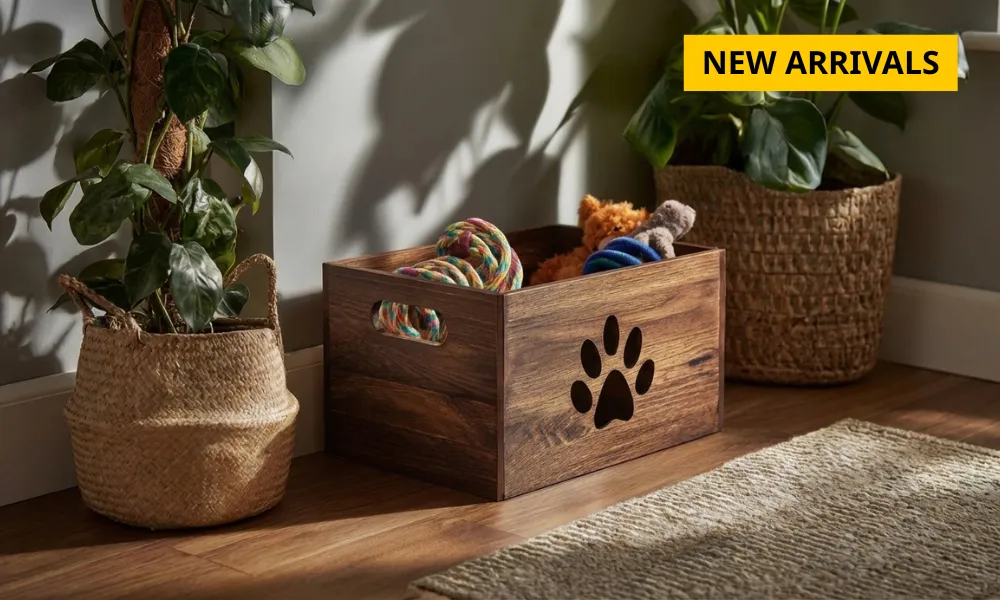
The easiest way to enforce the limit is to use one pet toy storage box as the “home base.” When toys are not in use, they go back into the same place. Browse options here: Pet Toy Storage Boxes. Keeping one clear “home” makes it easier for everyone in the household to follow the same routine.
How to organize dog toys: rotation schedule
The simplest rotation schedule (weekly)
A weekly rotation is the most practical answer to how to organize dog toys because it’s easy to remember and doesn’t require constant sorting. Choose an “active set” of toys that stays out during the week, and keep the rest stored away. Then swap a few toys on the same day each week.
Weekly rotation plan
- Pick 5–8 toys as the active set.
- Store extras in a separate “backstock” zone.
- Swap 2–3 toys once per week.
- Retire anything damaged during the swap.
If you prefer a smaller active set, start with 4–6 toys and adjust.
When to rotate faster
- Your dog loses interest quickly.
- New toys create clutter.
- You want to limit high-energy toys on busy weeks.
In these cases, rotate twice a week (for example, midweek and weekend).
Keep “daily favorites” constant
Rotation does not mean removing everything your dog loves. To make the system work, keep one or two daily favorites in the active set at all times. This prevents frustration and keeps play predictable. The rotation is mainly for secondary toys that your dog enjoys but doesn’t need every day. If you want a full home system that supports this habit, revisit the pillar: pet toy storage box guide.
Use rotation to reduce clutter in shared rooms
A rotation system is particularly helpful in shared rooms like living rooms and bedrooms because it reduces visual noise. If your dog’s toys tend to spill into other pet zones, keep those zones separate. For example, keep resting areas calmer by placing a dedicated sleep surface from Pet Beds away from the main toy area.
Storage zones for daily toys vs extras
Zone 1: the daily toy zone (easy reach)
The daily zone is where the active set lives. Ideally, it’s one pet toy storage box placed in the main play space. This makes it easy to do a quick reset without thinking. For most households, the best daily zone is the living room near the sofa.
Zone 2: the extras zone (out of sight, easy to access)
The extras zone is not meant for daily access. It can be a closet shelf, a cabinet, or a secondary bin. The key is that it stays contained so “extra toys” don’t creep back onto the floor. This is the zone that makes the rotation system possible.
Zone 3: the walk-and-travel zone (optional)
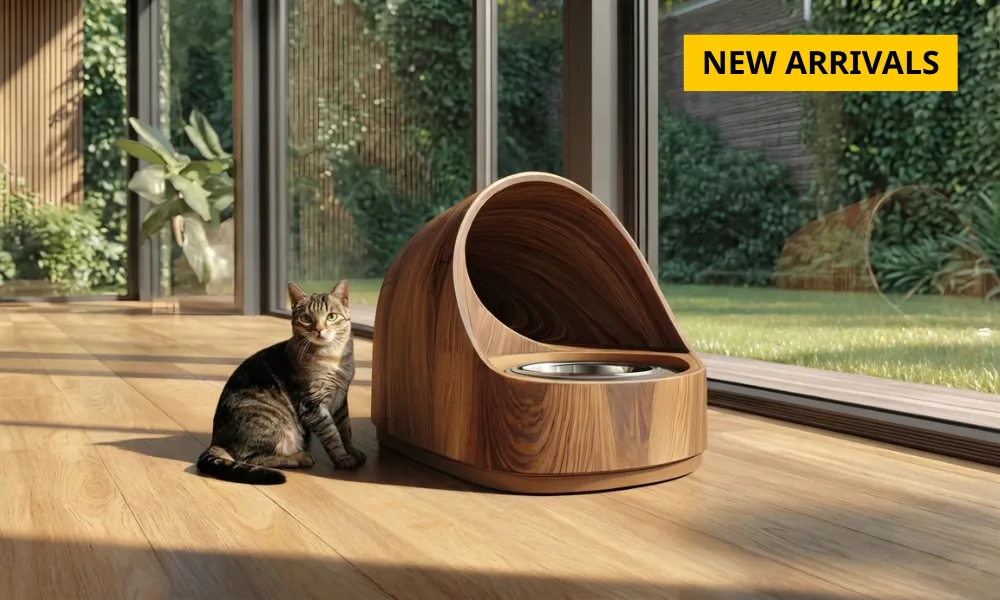
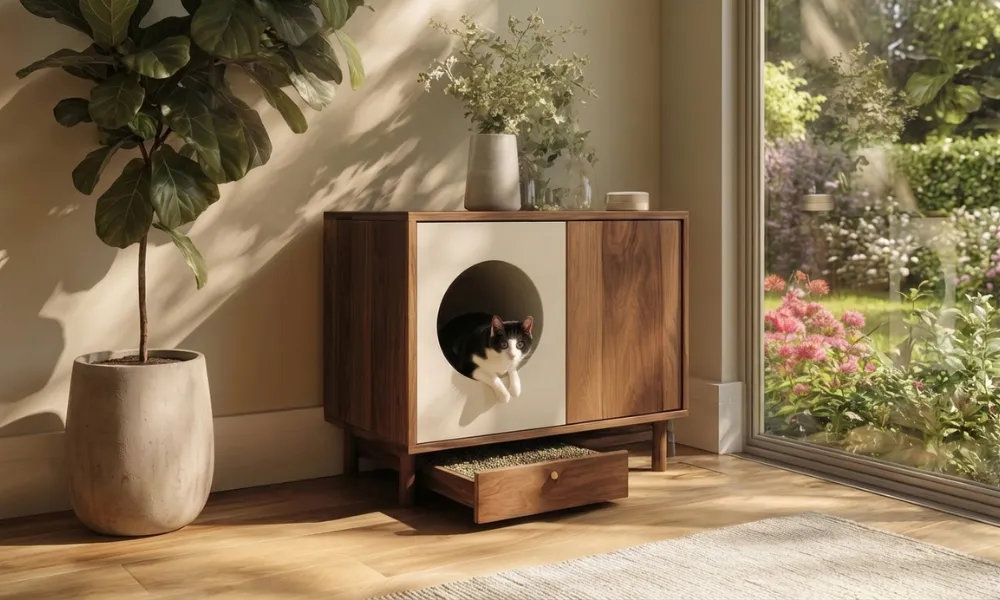
If you take toys to the park or use training tools outside, a small set of travel items can live near the door. Keep it minimal: one durable toy and any training tools you use regularly. If you also store feeding accessories in the same area, you may prefer organizing near Bowl Stands to keep your routine efficient. If you are also setting up a cat zone or mixed-pet corner, you may want your storage system to pair naturally with supplies-style pet pieces. Explore the related category: Hideaway Side Tables Guides.
Quick safety check during resets
Why safety checks belong in your daily routine
The last step in learning how to organize dog toys is building a quick safety check into your reset. Toy damage is easier to miss when toys are scattered. When you reset the room, you naturally handle each toy—this is the best time to notice issues early.
What to check in under one minute
- Loose pieces: torn fabric, squeakers, stuffing, or cracked parts.
- Sharp edges: split rubber or plastic that can irritate gums.
- Excess wear: ropes fraying heavily or seams opening.
- Size fit: ensure toys are not small enough to become a choking risk.
Build a 2-minute reset that includes the safety check
A simple daily reset keeps your system alive. Put toys back in the pet toy storage box, remove anything damaged, and keep the active set consistent. If you want the full step-by-step reset routine, read: Pet Toy Storage Box: A Practical System for a Tidy Home.
How to organize dog toys: summary checklist
- Set a toy limit for what stays out (start with 5–8).
- Use a weekly rotation schedule (swap 2–3 toys per week).
- Create storage zones: daily box, extras zone, optional travel set.
- Do a quick safety check during daily resets.