
A functional entryway is one of the easiest ways to make pet care feel calmer. When leashes, treats, wipes, and a few toys live in the same place, you reduce the daily “Where is it?” scramble—especially when you’re rushing out the door. A well-designed entryway pet station also keeps pet items from spreading across the home, because the entry becomes the default drop zone for walk-related gear. Entryway goal: everything you need for a walk should be reachable in one step. If the station requires opening multiple closets or searching drawers, it will not stay consistent.
Entryway pet station: what to store and what to skip
What to store (daily-use items)
The best entryway pet station starts with daily-use items only. This keeps the area clean and prevents the station from turning into general storage. A practical entryway setup typically includes:
- Leash and harness (or collar) that you use most often
- Waste bags in an easy-to-grab dispenser
- Small towel or wipes for rainy days or quick paw cleanups
- Treat container (sealed) for training and calm exits
- One durable toy for waiting by the door (optional)
What to skip (items that create clutter)
When an entryway pet station becomes messy, it’s usually because too many “nice to have” items got added. Skip anything that you do not use weekly. Also avoid keeping open treat bags or loose small items that are easy to spill.
- Multiple leashes you rarely use
- Large toy piles (keep a small active set only)
- Bulk grooming supplies (better stored in a separate cabinet)
- Unsealed treats or items that attract moisture and odors
Optional: keep feeding gear separate from the entry
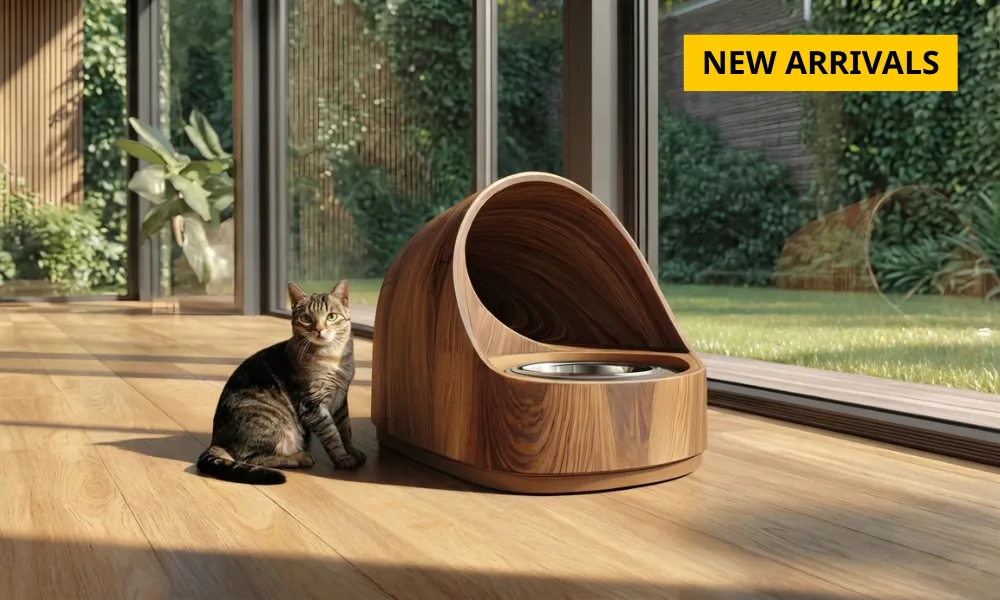
In many homes, feeding happens in the kitchen or a utility corner. If you find bowls and feeding accessories drifting to the door area, it can be helpful to create a dedicated feeding zone using Bowl Stands. Keeping feeding and walking gear separate reduces clutter and makes each routine easier.
Entryway pet station layout by space size
Small entryway (apartment door zone)
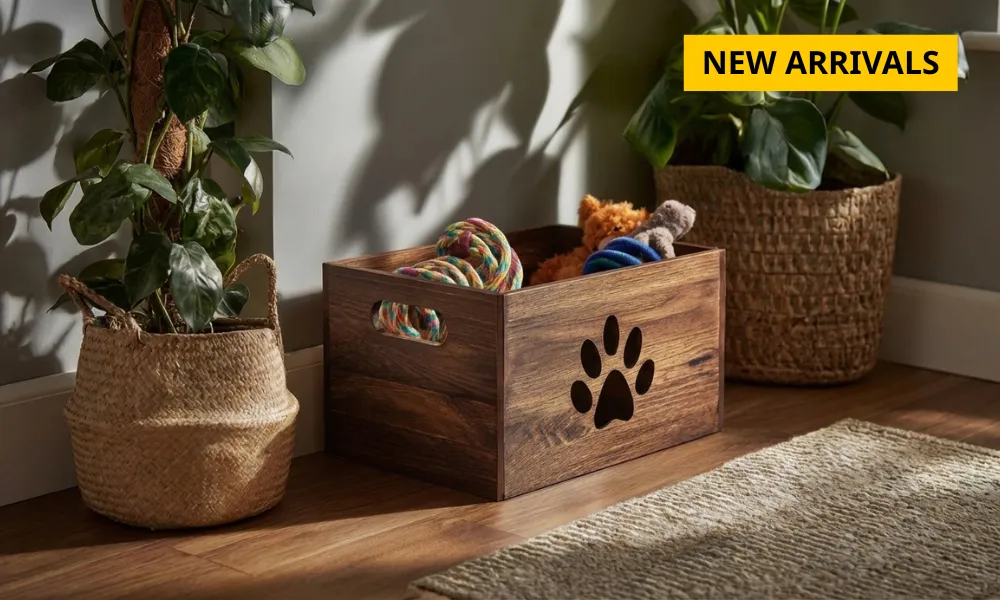
In a small apartment entry, the station must stay tight and simple. A compact pet toy storage box can hold waste bags, wipes, and a sealed treat container, while hooks handle leash and harness storage. The goal is a narrow footprint that does not block movement.
- Wall hooks: leash + harness at eye level
- Small box: treats, bags, wipes (contained)
- Mat zone: a spot for muddy paws to pause before entering the home
Medium entryway (hallway or small mudroom)
A medium-size entryway pet station can include one main storage piece plus a small surface for daily items. If you have a bench, place the storage box beneath or beside it so it becomes part of the natural “arrive and reset” path.
- Bench + hooks: supports shoes, leashes, and quick prep
- Storage box: toys (minimal), wipes, bags, towels
- Top surface: sealed treat jar, keys, and a small bowl for spare bags
Large entryway (mudroom or garage entry)
Larger spaces can support more structure, but the risk is overfilling. Keep the same rules: daily-use items in front, extras stored out of sight. In a larger entryway pet station, you can add a dedicated “extras bin” for seasonal items (raincoat, boots, spare towels) while keeping the main station clean.
Layout principle that works in every size
Keep walk gear at hand level, cleaning supplies in one contained box, and toys limited to one durable option near the door.
Storage choices: box, hooks, bins, and labels
Box storage: keep small items contained
A box is the foundation for most entry systems because it contains the messy mix: waste bags, wipes, small towels, and a few toys. If you want a consistent look and a reliable “drop zone,” browse Pet Toy Storage Boxes. This approach also supports quick resets—one of the main reasons an entryway pet station stays tidy.
Hooks: the fastest access for leashes and harnesses
Hooks work best for items you grab daily. Keep leash and harness storage simple: one hook per item if possible, so you’re not untangling straps each time. Place hooks where you naturally stop to put on shoes or check keys.
Bins: separate “daily” from “extras”
Bins are useful when you have multiple pets or seasonal gear. Use a small bin for daily walk supplies and a second bin for extras. If you’re building a full home system, your entry setup pairs naturally with a rotation routine explained here: How to organize dog toys: a simple rotation system.
Labels: helpful, but keep them minimal
Labels work best when they reduce decision-making. Avoid labeling too many categories. Two or three labels is enough in most homes: “Walk,” “Clean,” and “Toys.” Anything more often becomes a maintenance project.
| Storage tool | Best for | Keep it tidy by |
|---|---|---|
| Box | Wipes, bags, small towels, a few toys | Using a weekly reset and not overfilling |
| Hooks | Leash and harness | One hook per item to prevent tangles |
| Bins | Seasonal gear and extras | Keeping extras out of daily reach |
| Labels | Reducing daily decisions | Limiting categories to 2–3 maximum |
Weekly reset checklist
Why weekly resets keep the station from growing
The biggest threat to an entryway pet station is accumulation. A weekly reset prevents the “drop zone” from becoming a permanent pile. It also keeps supplies stocked so daily exits stay smooth.
Weekly entryway pet station reset checklist (10 minutes)
- Refill waste bags and confirm dispenser is working.
- Wipe down the box interior and remove debris (hair, dirt, wrappers).
- Restock wipes or swap towels (especially in rainy seasons).
- Check treats: keep them sealed and remove expired items.
- Untangle leash and harness; replace worn clips if needed.
- Remove extra toys and return them to main storage areas.
- Reset the floor area (shake mat, quick sweep near the door).
If your station gets messy quickly, reduce what you store. A smaller station is usually easier to keep consistent.
Link your entry reset to a broader home system
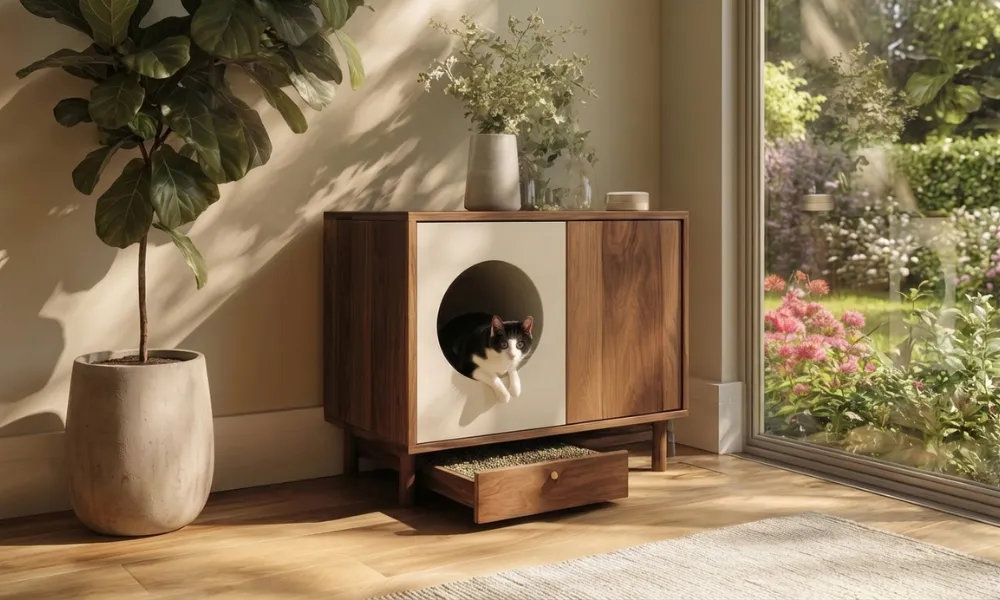
If you want the entry setup to feel effortless, connect it to your overall toy storage routine: Pet Toy Storage Box: A Practical System for a Tidy Home. You can also explore other pet supplies zones via Hideaway Side Tables blog and keep feeding areas organized with Bowl Stands.
Browse storage options: Pet Toy Storage Boxes.
Explore feeding station ideas: Bowl Stands.
Return to Home to navigate all collections.