

Orthopedic pet beds: what “support” means in practice
In practice, support means the bed distributes weight evenly and resists bottoming out. When a bed collapses under pressure, heavier areas (hips, shoulders, and spine line) can sink too far, forcing awkward angles. Orthopedic pet beds aim to keep the body aligned so your pet is not constantly adjusting to find a stable position.
What supportive orthopedic pet beds typically do
- Hold shape under load: the sleep surface stays stable instead of forming a deep “bowl.”
- Reduce pressure points: weight spreads across a larger area, especially for side sleepers.
- Make rising easier: a stable base helps pets push up without sinking deeper first.
- Stay consistent over time: the bed maintains performance after weeks of daily use.
A simple “support” check at home
Press your palm into the center of the bed. A supportive surface compresses but does not collapse straight to the floor. If your hand easily bottoms out, a larger dog or a senior pet may not get enough stability for everyday rest.
Orthopedic pet beds for senior pets: practical signs
Orthopedic pet beds are often recommended for seniors, but age is not the only factor. Some younger pets with long bodies, larger frames, or higher activity levels can also benefit from steadier support. The most practical approach is to watch daily behavior.
Signs your pet may benefit from orthopedic pet beds
- Slower transitions: your pet hesitates before lying down or takes time to stand up.
- Frequent repositioning: pacing, circling, or shifting several times before settling.
- Prefers firm surfaces: choosing the floor over soft bedding can be a stability preference.
- Stiffness after rest: noticeable stiffness when getting up from a long nap.
- Pressure sensitivity: avoiding certain positions or reacting when touched near hips/shoulders.
When to ask your veterinarian
If your pet shows persistent limping, sudden pain, or clear discomfort when moving, it is worth asking a veterinarian for guidance. Orthopedic pet beds can support daily rest, but they are not a replacement for diagnosis or treatment plans.
Orthopedic pet beds: foam types and thickness basics
Most orthopedic pet beds rely on foam construction to create a stable sleep surface. The two most common ideas you will see are “memory foam” and “support foam,” sometimes layered together. You do not need to memorize material terms—focus on how the bed behaves under your pet’s weight.
Common foam types you will see
- Memory foam: conforms to the body and can help with pressure distribution, especially for side sleepers.
- High-density support foam: provides structure and resistance to bottoming out.
- Layered foam: a softer top layer over a firmer base to balance comfort and stability.
Thickness basics (how to think about it)
Thickness is not a one-number rule, because foam density, layering, and pet size all interact. But in general, bigger or heavier pets need enough structure so hips and shoulders do not sink to the floor. If the bed compresses dramatically under load, thickness alone will not solve it. Look for a stable base that stays supportive across the full sleep surface.
If you are still deciding between sizes, use the measuring steps in our sizing guide: Pet Bed Size Guide: Measure Your Dog or Cat in 3 Steps. It pairs well with orthopedic decisions because proper size prevents awkward posture, even on supportive foam.
Orthopedic pet beds vs standard pet beds: how to decide
Standard pet beds can be a good fit for many healthy adult pets, especially if they prefer a softer, lighter bed they can “nest” into. Orthopedic pet beds tend to matter more when the pet needs stability: seniors, larger dogs, pets that sleep heavily, or pets that show stiffness after rest.
Choose orthopedic pet beds if
- Your pet is older or shows stiffness after naps.
- Your pet is larger or tends to bottom out soft fill beds.
- Your pet sleeps in one place for long stretches and needs even support.
- You want a more stable default bed for daily rest routines.
Standard pet beds may be enough if
- Your pet is healthy, light-to-medium weight, and likes plush bedding.
- Your pet changes nap spots often and uses beds casually rather than nightly.
- You prioritize portability and quick cleaning over structured support.
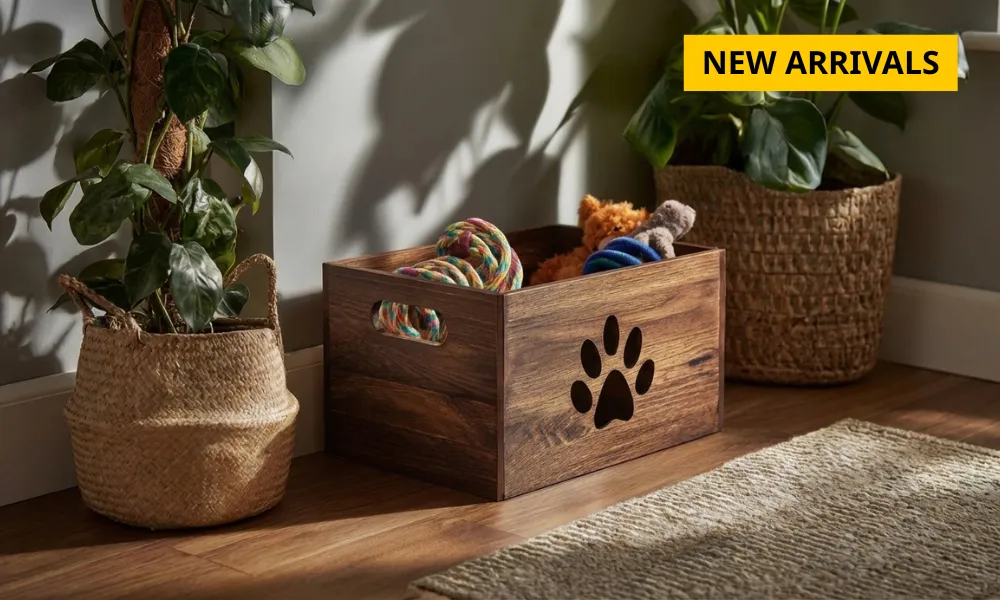
The decision becomes easier when you pair support with environment. If your pet’s rest zone is near feeding and toy areas, a clean setup can reduce “bed avoidance” caused by clutter or noise. Consider adding Bowl Stands for a consistent feeding location and Pet Toy Storage Boxes to keep high-traffic items away from the bed.
Orthopedic pet beds care: covers, liners, and cleaning
Orthopedic pet beds typically last longer when they are built around practical cleaning. Because supportive foam is meant to retain structure, protecting the core matters. Look for covers and liners that make routine cleanup easy without soaking the entire bed insert.
What to look for in orthopedic pet beds care features
- Removable cover: lets you wash the outer layer regularly without stressing the foam core.
- Inner liner: helps protect foam from accidents, spills, and daily moisture.
- Durable closures: zippers or closures that stay secure through repeated washing.
- Easy-to-vacuum seams: reduces hair buildup that can make beds feel stale over time.
Simple maintenance routine
- Weekly: vacuum the cover and seams, rotate the bed so wear is distributed.
- As needed: wash the cover, spot clean the liner, air the foam insert if the product guidance allows.
- Seasonal: deep clean the rest zone and check if the bed still holds shape under load.
Shop options here: Pet Beds. Back to Home.