

Washable pet beds: what “easy-care” should include
A truly easy-care bed is designed around cleanup, not just comfort. When you evaluate washable pet beds, look for features that match the messes your home actually deals with: shedding, muddy paws, allergies, accidents, or simply daily dust and dander.
Core elements of “easy-care” washable pet beds
- Removable cover: the cover comes off without forcing or tearing seams.
- Durable closure: zippers or closures that stay aligned and do not snag easily.
- Quick dry behavior: fabrics that do not hold water for hours after washing.
- Hair release: fabrics that vacuum cleanly and do not trap hair deep in the weave.
- Optional inner liner: helps protect inserts so you are not washing foam or fill frequently.
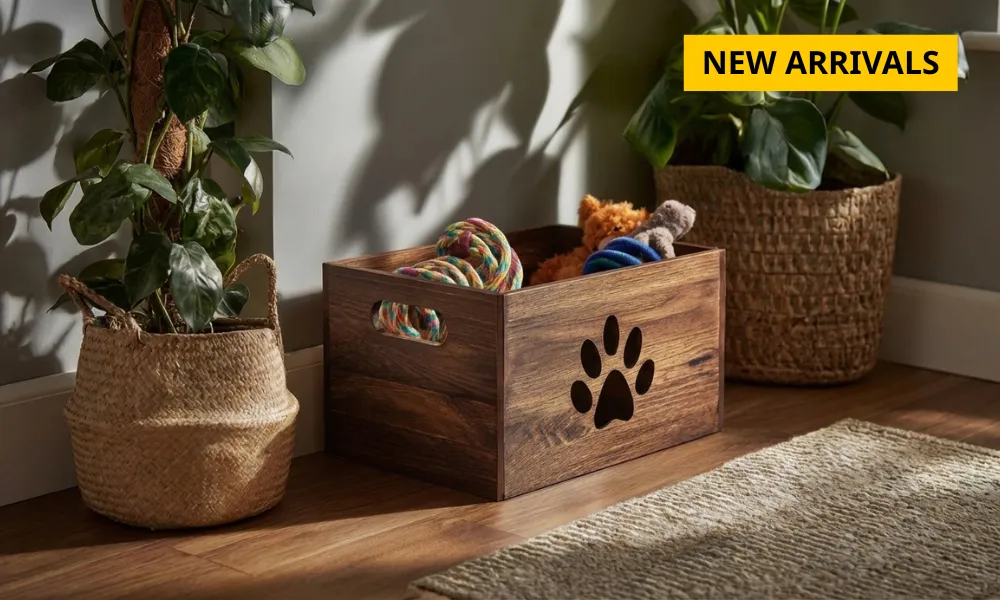
Easy-care also depends on how the bed is used. If your pet sleeps near a busy feeding zone, the bed may get splashes or crumbs more often. A cleaner layout can help keep beds fresh: consider Bowl Stands for a defined feeding station and Pet Toy Storage Boxes to keep toys and chew items away from the sleep surface.
Washable pet beds: removable cover checklist
The removable cover is where most washable pet beds succeed or fail. If the cover is hard to remove, you will wash it less often, and the bed will start to hold odors over time. Use the checklist below to spot practical details that matter in real laundry routines.
Removable cover checklist
- Full perimeter zipper: typically easier to remove than a short opening on one edge.
- Protected zipper track: reduces hair buildup and helps the zipper run smoothly.
- Reinforced seams: helps the cover hold shape after repeated washing.
- Fabric feel that matches your pet: some pets avoid slick or noisy fabrics, even if they are easy to wipe.
- Room for reassembly: a cover that is too tight makes reinserting the bed insert frustrating.
Fabric choices that often work well for washable pet beds
You do not need an advanced fabric vocabulary. Focus on what you need the bed to do: release hair, resist stains, and dry without holding moisture. In many homes, tighter weaves vacuum more easily, while plush textures can trap hair but feel cozy. If your pet is a heavy shedder, prioritize easy vacuuming. If your pet is sensitive, choose a fabric that feels stable and familiar rather than slippery.
Simple test before committing
Run a lint roller or your vacuum nozzle across a similar fabric in your home. If hair lifts easily, that texture may be easier to maintain. If hair stays embedded, plan for more frequent washing or consider a smoother cover.
Washable pet beds: liners and stain management
Liners are the quiet workhorse of washable pet beds. A liner sits between the cover and the insert, helping block moisture and everyday grime from reaching foam or fill. This matters if your pet has occasional accidents, drools heavily, or comes inside damp from rain.
When a liner is especially useful
- Senior pets: accidents can happen, and protecting the insert reduces long-term odor.
- Allergy-sensitive homes: liners can reduce dust and dander buildup inside the bed core.
- High-traffic rooms: beds placed near doors or kitchens tend to pick up more dirt.
Stain management basics
- Act quickly: blot spills or accidents as soon as possible to reduce set-in odor.
- Separate layers: remove the cover and check whether the liner stopped moisture from reaching the insert.
- Air out inserts: if the insert becomes damp, allow it to dry fully before reassembly to prevent lingering smells.
If you are also evaluating supportive beds for older pets, read: Orthopedic Pet Beds: When Support Matters for Everyday Rest. Support and washability work best together when the bed stays clean without soaking the core.
Washable pet beds: washing and drying routine
A simple routine makes washable pet beds genuinely low effort. Instead of waiting until the bed smells “bad,” schedule small cleaning steps that keep it fresh. Most households do best with a weekly hair cleanup and a monthly cover wash, adjusted for shedding season and your pet’s lifestyle.
Weekly routine (10 minutes)
- Vacuum the cover: focus on seams and edges where hair collects.
- Shake outside: if the cover allows it, shake loose hair outdoors before vacuuming.
- Wipe the rest zone: clean the surrounding floor area so the bed does not re-collect dust immediately.
Monthly routine (or as needed)
- Remove the cover: zip slowly to avoid pulling hair into the zipper track.
- Wash the cover: follow care instructions; use a gentle approach that preserves fabric structure over time.
- Dry thoroughly: damp covers can trap odor. Let the cover dry fully before reassembly.
- Check the liner and insert: wipe the liner and spot-clean the insert if needed.
Drying tips for washable pet beds
- Prioritize full dryness: even slight dampness can keep odors around.
- Use airflow: air-drying near a window or fan often helps reduce musty smells.
- Avoid overheating: high heat can affect some fabrics and liners; a steady, moderate dry is often easier on materials.
If you are still deciding on bed sizing, correct size helps reduce cover strain and keeps the bed’s shape stable after washing. See: Pet Bed Size Guide: Measure Your Dog or Cat in 3 Steps.
Washable pet beds: when to replace inserts
Covers can stay in rotation for years, but inserts wear out with pressure and time. A washable bed feels “new” when the insert still supports your pet’s body, holds shape, and dries evenly if it ever becomes damp. Knowing when to replace inserts helps you avoid the slow decline where the bed looks fine but stops being used.
Signs it is time to replace a bed insert
- Bottoming out: the bed compresses to the floor under your pet’s hips or shoulders.
- Permanent flat spots: the insert no longer rebounds after use.
- Persistent odor: even after washing the cover and cleaning the liner, smells remain trapped in the core.
- Increased shifting: your pet circles or repositions more often than before on the same bed.
How replacement fits into a long-term setup
Many households treat inserts as a wear component and covers as the long-term part. If you like the cover’s feel and it fits your decor, replacing the insert can refresh the bed without changing what your pet is already used to. For pets that need more stability over time, consider whether an orthopedic-style insert makes sense, then revisit: Orthopedic Pet Beds: When Support Matters for Everyday Rest. Continue reading in the Pet Beds blog, or return to the pillar guide: Pet Beds: How to Choose the Right Pet Bed for Dogs & Cats.