
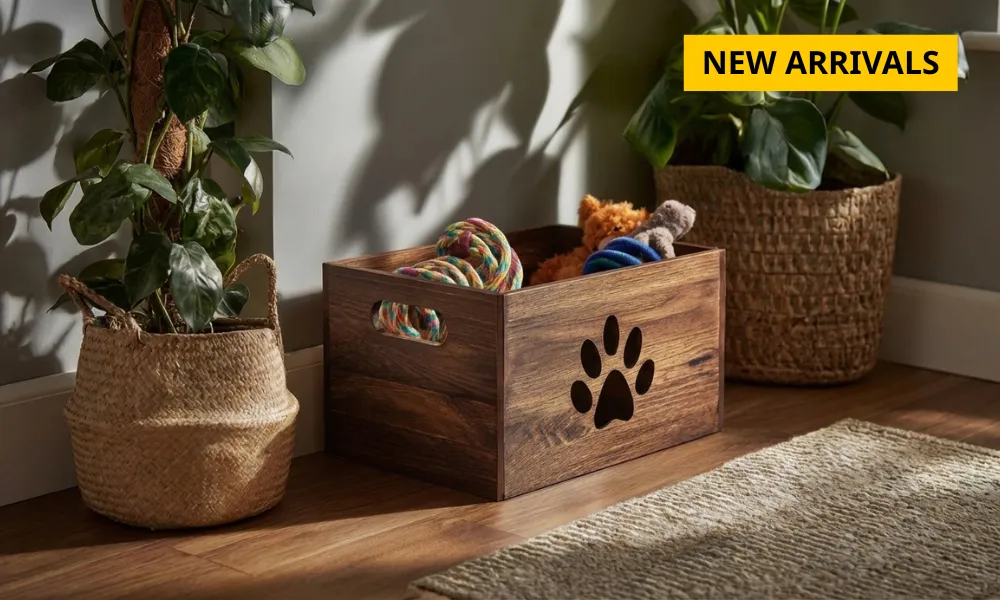
A tidy home with pets is less about perfection and more about having a system you can repeat. The simplest system is often the most reliable: one dedicated pet toy storage box, placed where toys naturally end up, with a quick reset routine you can do without thinking. When there’s a single “home” for toys, your living room stops feeling like a play zone all day—and you reduce the time you spend gathering items from corners, under sofas, or near the door. Organizing principle: your pet toy storage box should be closer to where play happens than where you wish play would happen. If the box is too far away, you won’t use it.
Pet toy storage box: why a single “home” for toys works
Fewer decisions means better consistency
A single pet toy storage box reduces “where does this go?” moments. When there’s one obvious place to return toys, everyone in the household can follow the same routine. This is also helpful when you’re in a hurry—before guests arrive, before bedtime, or between meetings.
A clear boundary between play time and rest time
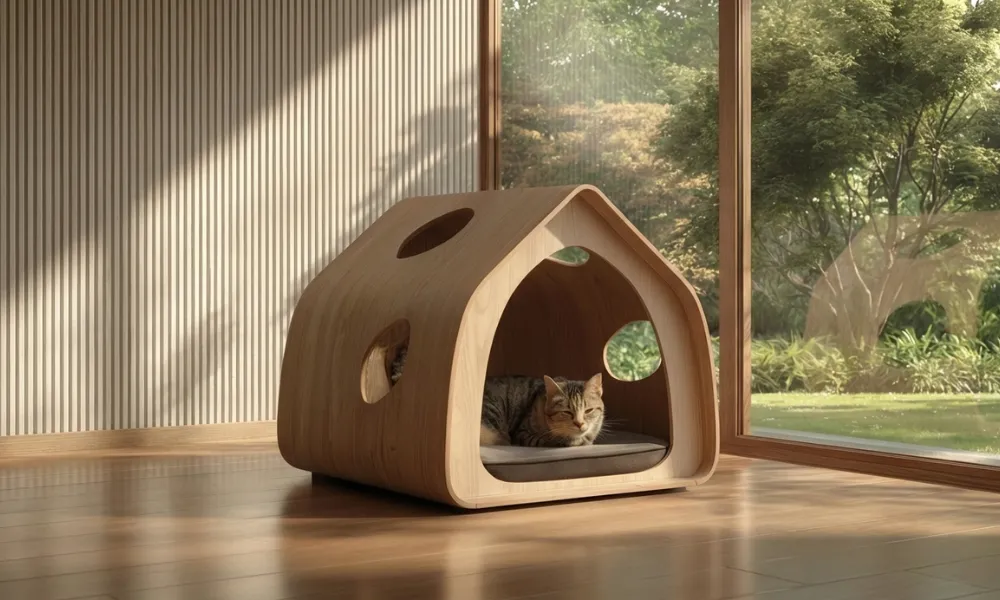
Pets often treat toys as an invitation. When toys are spread across the floor, play can feel constant. Returning toys to a pet toy storage box creates a simple boundary: the room can shift back into a calm “living space” without taking away your pet’s fun. If your pet also needs a dedicated rest zone, pairing storage with a consistent sleep spot from Pet Beds can make daily routines feel more organized.
It protects accessories from being lost or damaged
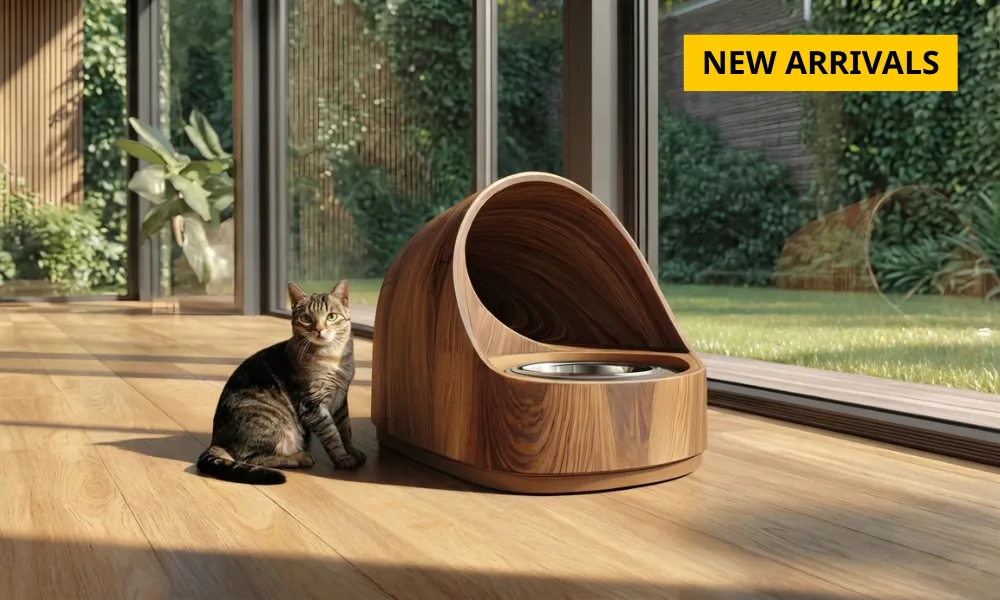
Many households store more than toys: leashes, harnesses, grooming brushes, treat pouches, and training tools. A pet toy storage box keeps these items in one place so you’re not searching right before a walk. If your feeding station is in a different part of the home, organizing near Bowl Stands can also help keep the area from feeling cluttered.
Pet toy storage box placement: living room, entryway, bedroom
Living room: place it where toys naturally gather
The living room is often the main play zone, so it’s the best default location for a pet toy storage box. Place it near the sofa or near the corner where you toss toys after play. The goal is to create a short “return path” for cleanup—something you can do while walking past.
- Best spot: beside the sofa, under a console, or next to a media unit (if it stays accessible).
- Avoid: placing it behind supplies where it becomes out of sight and out of habit.
- Tip: keep the lid or opening simple so resets take seconds.
Entryway: create a “walk station”
If leashes and harnesses are part of the daily routine, the entryway is a strong secondary placement for a pet toy storage box. In this zone, the box becomes a “walk station” for accessories you need on the way out. You can still keep toys inside—but prioritize items that support leaving the house quickly.
- Leash and harness
- Waste bags and small wipes
- Treats (in a sealed container inside the box)
- One durable toy for calm waiting at the door
Bedroom: useful for pets that sleep with you
A bedroom pet toy storage box can keep nighttime or morning routines calmer. If your pet brings toys into the bedroom, a small box in a corner makes cleanup easier and reduces tripping hazards. Pairing the box with a consistent sleep surface from Pet Beds also helps define the pet’s “zone” in the room.
Placement rule of thumb
Choose one primary spot (where play happens most), then add a secondary spot only if it supports a daily routine (like walks at the door).
Pet toy storage box sizing and capacity planning
Start with the real inventory, not the ideal inventory
To choose a pet toy storage box size, count what you actually use weekly. Many homes have a pile of older toys that rarely come out, plus a smaller set of favorites. The goal is to store what’s active without overfilling the box. Overfilled storage becomes messy quickly—and then the system breaks.
Capacity planning: organize by categories
A simple approach is to group items into categories, then choose a box that fits the active categories comfortably:
- Daily play: balls, tug toys, chew toys
- Training: clicker, treat pouch, small rewards container
- Walk gear: leash, harness, waste bags
- Grooming: brush, wipes, nail clippers (if used often)
Plan for “grab-and-go” access
If you need to dig through layers to find a leash or a favorite toy, the box is too full or the system needs a simple divider approach. Even without internal dividers, you can keep the top layer reserved for the items you use every day. This is especially helpful if your feeding setup is near Bowl Stands and you want to keep that area organized and functional.
Pet toy storage box reset routine: 2-minute daily system
The 2-minute reset: a small habit that keeps the room calm
A pet toy storage box works best when it supports a fast reset. Instead of a big weekly cleanup, aim for a daily 2-minute routine—often at the same time each day (after dinner, before bed, or before leaving the house). This keeps toys from migrating across the home.
2-minute daily reset routine
- Do a quick scan of the room and pick up visible toys.
- Return toys to the pet toy storage box (no sorting needed).
- Shake or wipe the area around the box if debris collects.
- Put one “favorite toy” back on top for easy access.
If you miss a day, do not “catch up” with a big reorganize. Just restart the 2-minute reset the next day.
Link the reset to an existing habit
The easiest way to keep a system is to attach it to something you already do: turning off the TV, starting the dishwasher, or brushing your teeth. Over time, the pet toy storage box routine becomes automatic.
Pet toy storage box rotation: keeping fewer toys out
Why rotation makes homes feel cleaner
Many homes don’t need more storage—they need fewer toys out at once. Rotation keeps the floor clear while still keeping play interesting. A simple rotation works like this: keep a small set of toys accessible, and store the rest inside the pet toy storage box (or in a second, less-visible storage spot).
Simple rotation system (weekly)
- Choose 5–8 toys as the active set (adjust by pet size and play style).
- Store the remaining toys inside the box.
- Once a week, swap 2–3 toys to keep variety without clutter.
Use rotation to separate play and rest zones
If your pet tends to drag toys into resting areas, rotation helps reduce visual noise. Pair rotation with a consistent rest spot using Pet Beds so toys and sleep remain more separate in the home.
Pet toy storage box checklist + links to collection
Use this checklist to choose and maintain a pet toy storage box system that stays tidy without creating extra work. The goal is a home that resets quickly, even on busy days.
Pet toy storage box checklist
- One clear “home” for toys in the main play zone
- Placement does not block movement or door swings
- Easy access for daily items (leash, harness, favorites)
- Box is not overfilled (space left for quick resets)
- 2-minute daily reset linked to an existing habit
- Rotation plan to keep fewer toys out
- Optional pairing with a rest zone (Pet Beds)
- Optional pairing with a feeding zone (Bowl Stands)