
If you already know your pet prefers a bed with edges, you are likely choosing between two common styles: bolster pet beds and donut beds. Both give a sense of boundary, but they encourage different resting behaviors. Bolster beds often support leaning and chin-resting. Donut beds often support curling and nesting. If you want to browse styles while you read, start here: Pet Beds. For the complete guide to choosing pet beds (sleep styles, sizing, support, care, and placement), return to the pillar: Pet Beds: How to Choose the Right Pet Bed for Dogs & Cats.
Quick comparison: bolster pet beds vs donut beds
- Rim style: bolster beds typically have structured sides; donut beds have a rounded ring.
- Interior feel: bolster beds often feel more open; donut beds feel more enclosed.
- Best for: bolster beds suit leaners and chin-resters; donut beds suit curl sleepers.
- Room placement: bolster beds pair well with walls or corners; donut beds work well in calmer, lower-traffic spots.
- Sizing risk: donut beds can look large but have a smaller interior sleep surface due to the ring.
If you want to lock in size before choosing shape, use our measuring guide: Pet Bed Size Guide: Measure Your Dog or Cat in 3 Steps. It helps you compare usable interior space across styles.
Bolster pet beds: best fits for leaners and chin-resters
Bolster pet beds often work best for pets that like to lean into a stable surface or rest their chin on an edge. If your pet presses against the couch base, the wall, or your legs while napping, that is a strong cue that a bolster rim may feel familiar. The rim provides a “resting rail” that supports the head and helps the body feel anchored.
Comfort cues that point to bolster pet beds
- Chin-resting: your pet naps with their head propped on a couch edge or pillow.
- Leaning: your pet sleeps with their back against supplies or walls.
- Side sleeping: your pet lies on their side and uses an edge as a head support.
- Frequent repositioning: a bolster edge gives a consistent boundary when they shift.
Bolster pet beds for dogs vs cats
Dogs often use bolster edges as a headrest, especially in living rooms where they want to stay near the household. Cats often use bolster edges as a boundary they can press into while staying alert. In both cases, placement matters: a bolster bed near a wall or couch can feel more secure than one placed in the center of a room.
Donut pet beds: best fits for curl sleepers
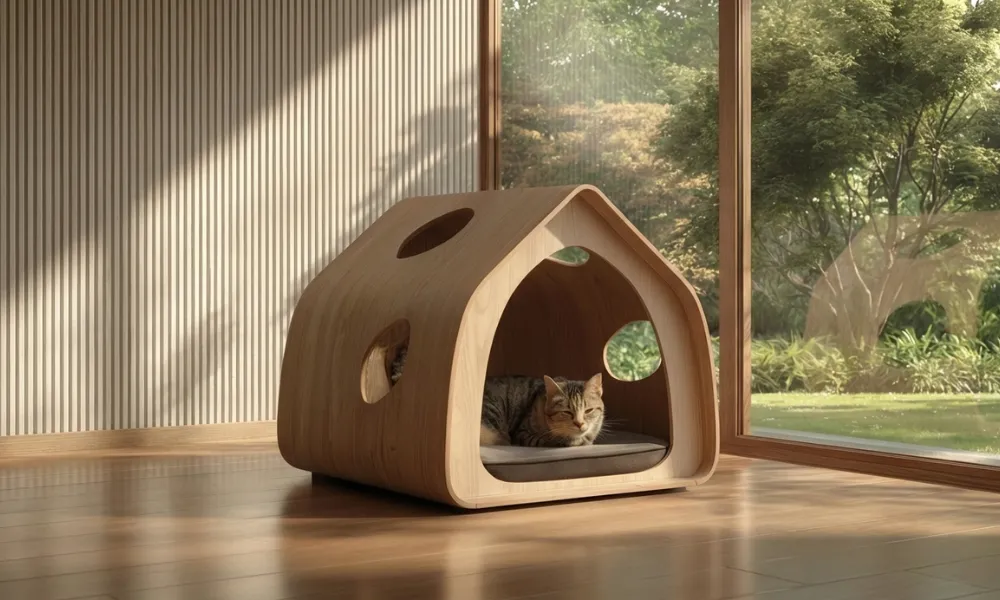
Donut beds create a round, enclosed nest. They tend to work best for pets that curl into a tight circle, tuck paws under the chest, and prefer a sense of containment. Many curl sleepers also seek corners, baskets, or boxes spaces that feel protected on multiple sides. A donut bed mimics that “nest” feeling without requiring a corner.
Comfort cues that point to donut beds
- Tight curling: your pet consistently sleeps in a compact circle.
- Seeking enclosed spaces: choosing baskets, laundry piles, corners, or under-table spots.
- Cold-sensitive behavior: curling more often during cooler months (nesting can feel warmer).
- Anxious settling: pets that relax more when surrounded on all sides may prefer a donut shape.
Donut beds and “interior sleep surface” sizing
Donut beds can be tricky because the ring takes up space. The bed may look large on the outside, but the interior sleep surface can be much smaller. If your pet sometimes sprawls, size up to protect usable interior room. If your pet always curls, a snug interior often gets used more consistently.
When donut beds may not work well
If your pet sprawls long or likes to stretch fully, donut beds can feel restrictive unless you size up. For those pets, a bolster bed (or a lounge/flat bed) can offer boundaries without shrinking the sleep surface.
Bolster pet beds: sizing and placement tips
Choosing bolster pet beds is easier when you focus on the usable interior sleep surface and the way the bed sits in your room. Because many bolster beds have a rim on multiple sides, the interior can be smaller than the listed outer dimensions. Placement also affects whether your pet uses the rim for leaning or ignores the bed entirely.
Bolster pet beds sizing tips
- Measure sleeping length: use the stretched side-sleep measurement if your pet sprawls at least sometimes.
- Check interior dimensions: compare your measurement to the interior length and width, not the outer size.
- Size up for mixed sleepers: if your pet alternates between curling and stretching, extra interior space helps.
Bolster pet beds placement tips
- Place near a wall or sofa: supports leaning behavior and reduces “floating in the room” feeling.
- Avoid heavy traffic paths: pets rest longer when the bed is not constantly stepped around.
- Keep the rest zone clean: separate the bed from feeding and toys where possible for better long-term freshness.
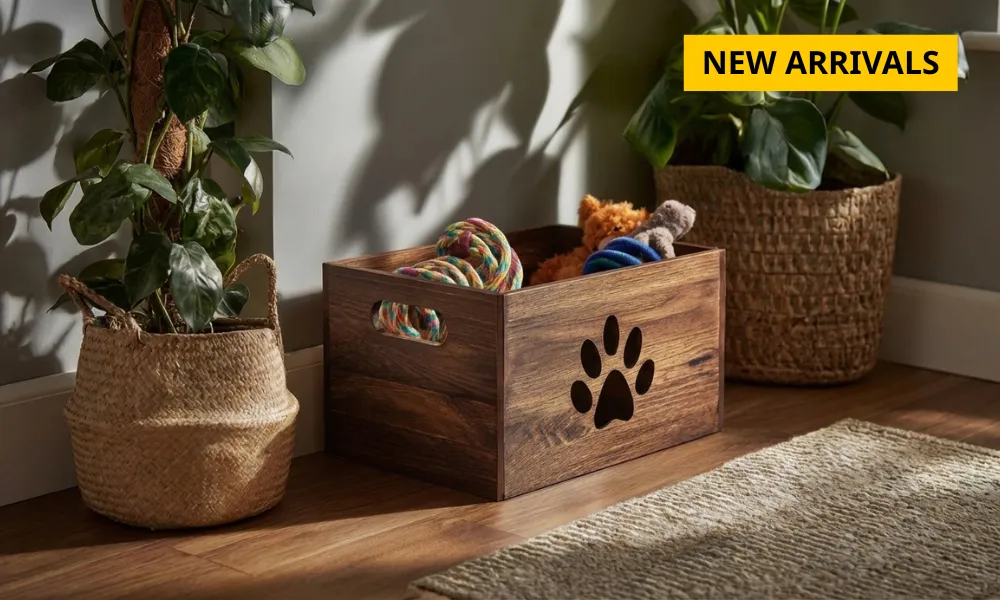
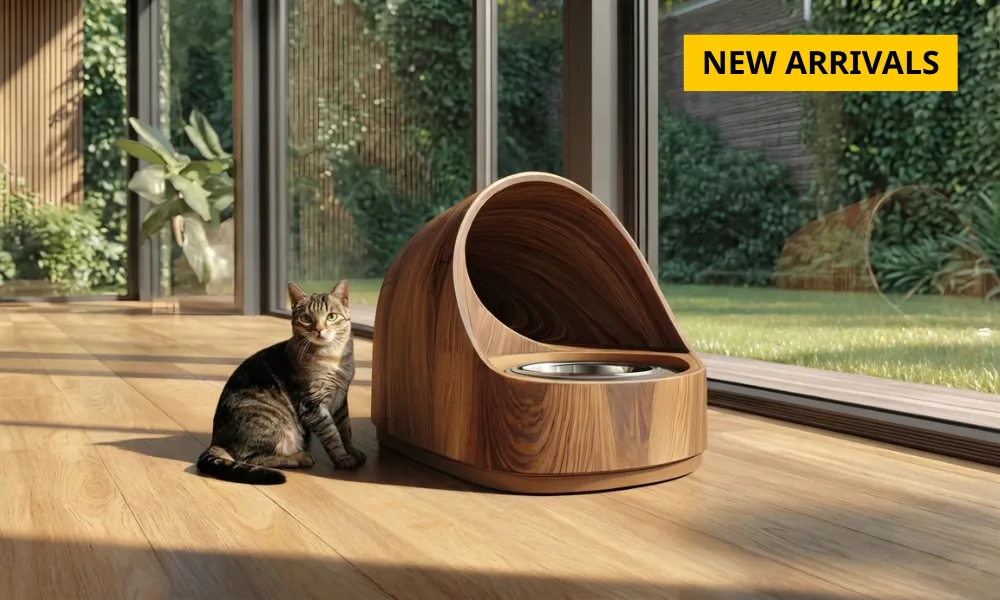
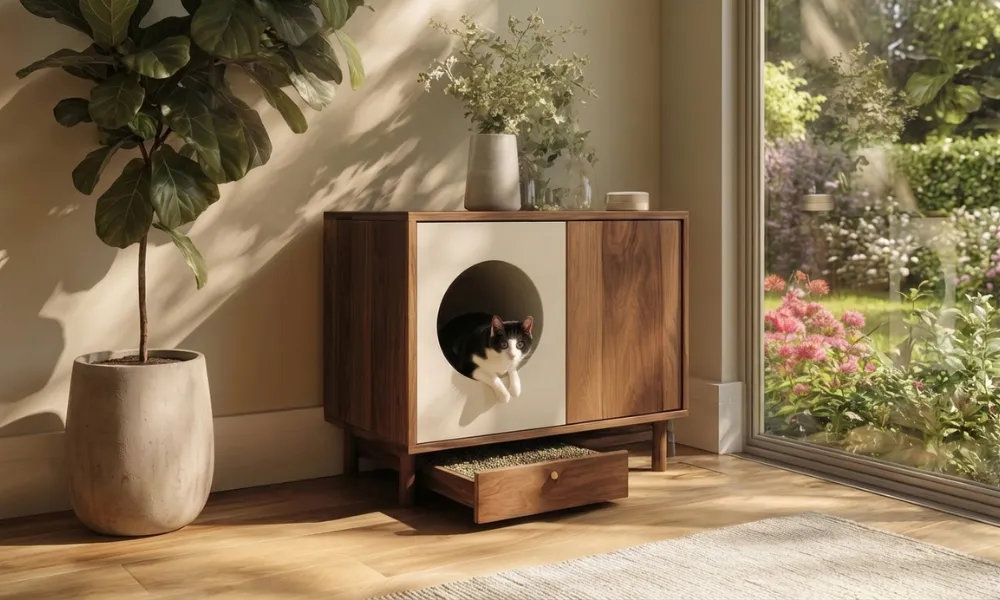
If your rest zone is in a shared living space, keeping things organized often improves bed usage. Consider pairing the area with Bowl Stands for a consistent feeding station and Pet Toy Storage Boxes to reduce toy clutter near the bed. For small spaces, a dual-use option can help: Pet Hideaway Side Tables.
How to choose between bolster pet beds and donut beds
The best choice comes down to the positions your pet repeats daily. You do not need to overthink it use the decision framework below. If your pet shows strong “lean” and “chin-rest” cues, bolster pet beds are usually a better match. If your pet consistently curls and seeks enclosed spaces, donut beds usually feel more intuitive.
Choose bolster pet beds if
- Your pet leans against supplies or walls while resting.
- Your pet props their chin on edges or pillows.
- Your pet alternates between curling and stretching and needs a flatter interior.
- You plan to place the bed near a wall, sofa, or corner.
Choose donut beds if
- Your pet is a consistent curl sleeper.
- Your pet relaxes in enclosed spaces like baskets or corners.
- You want a nest-like bed in a quieter, low-traffic zone.
- You can size appropriately based on the interior sleep surface.
When in doubt: start with sizing and routine
If you are still uncertain, start with size and placement before choosing shape. Measure your pet’s sleeping length and confirm interior sleep surface, then decide which edge style matches their comfort cues. These supporting guides can help: Pet Bed Size Guide: Measure Your Dog or Cat in 3 Steps and Washable Pet Beds: What to Look For in Covers and Fabrics. Continue reading in the Pet Beds blog, or return to the pillar guide: Pet Beds: How to Choose the Right Pet Bed for Dogs & Cats. Shop options: Pet Beds. Back to Home.