
A pet bed is more than a soft spot on the floor. The right pet beds can reduce daily friction: fewer restless circles before sleep, less pacing at night, and a clear “this is your place” cue during busy moments. If you shop first and measure later, it is easy to end up with a bed that looks fine but does not get used. This guide helps you choose pet beds for dogs and cats with practical checks that fit real homes.
Pet beds and sleep styles: how pets actually rest
Before you compare fabrics or shapes, observe how your pet rests when they are fully relaxed. Most pets rotate through a few “default” positions, and those positions point directly to the best pet beds.
- Curlers tuck paws and tail under the body. These pets usually prefer a boundary or rim that helps them feel contained.
- Sprawlers stretch out on their side or back. They typically need a longer sleep surface with enough room to extend.
- Leaning sleepers press their back against supplies, walls, or you. They often like a bolster edge or a bed placed beside a stable surface.
- Burrowers nudge under blankets or towels. They do well with a cover-compatible bed or a lounge shape that holds a throw in place.
If your pet moves between positions, pick pet beds that support the most common two positions, not the rare one. It also helps to consider the room: a quiet corner may invite longer rest, while a central spot may work better for pets that follow household activity.
Pet beds sizing: measure for curl, sprawl, and lean
Sizing is the main reason pet beds get ignored. A bed that is slightly too small can feel restrictive, while a bed that is far too large may not provide the “nest” effect some pets rely on. Use real measurements instead of weight-only charts whenever possible.
Pet beds size checklist for dogs
- Measure nose-to-tail base while your dog is lying on their side in a full stretch. Add 6–10 inches for comfortable extension.
- Measure shoulder width for dogs who sprawl. The sleep surface should allow easy rolling without falling off the edge.
- Note curling diameter if your dog curls tightly. A donut or bolster bed should match that circle with a little extra space.
- Consider entry height for seniors or short-legged breeds. Lower edges reduce stepping effort.
- Plan for “leaning” if your dog presses against supplies. A bolster side can replace that wall support.
Pet beds size checklist for cats
- Measure relaxed length from nose to tail tip during a stretch. Add 4–8 inches depending on how much your cat sprawls.
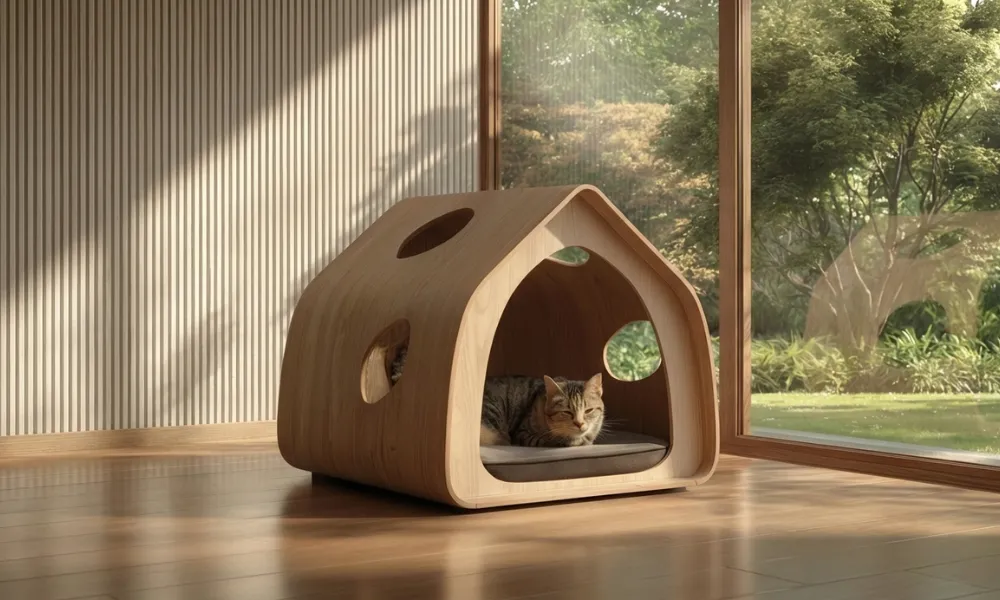
- Confirm rim preference by watching nap spots. Many cats choose baskets or boxes because the sides feel secure.
- Pick a stable base for cats who “knead.” A bed that shifts can discourage use.
- Account for multi-cat habits if cats share. One larger bed may become a social nap zone, but separate beds reduce resource tension.
If you are between sizes, choose based on sleep style: sprawlers usually benefit from sizing up, while curlers often prefer a snugger fit with supportive edges.
Pet beds support: when firmness and cushioning matter
Support is not only for older pets. The right balance of firmness and cushioning helps distribute weight and reduces pressure points, especially for dogs that sleep heavily or cats that spend long stretches resting in the same spot.
- Firm support helps pets that sink too deeply into soft fill, which can strain joints when they stand up.
- Moderate cushioning works well for most healthy adult pets and offers comfort without collapsing.
- Extra structure may matter for larger dogs, seniors, or pets recovering from injury, where stability can reduce awkward repositioning.
A simple test: press down with your hand. If the bed bottoms out easily, it may lose shape quickly. If it feels overly rigid with no give, it may not invite longer rest. Good pet beds return to shape and keep a consistent surface.
Pet beds shapes: flat, bolster, donut, and lounge styles
Shape ties together sleep style, support, and placement. Below is a practical match guide for common pet beds shapes.
- Flat beds are straightforward and easy to place. They suit sprawlers and households that prefer a minimal footprint.
- Bolster beds provide a rim for leaning and head support. They suit curlers, leaning sleepers, and pets who like boundaries.
- Donut beds create a nest-like circle that supports curling and can help anxious pets feel enclosed.
- Lounge styles offer a longer profile with partial support, useful for pets that switch between curling and stretching.
If your pet is unsure about new pet beds, start with a shape that mimics their current favorite nap spot. For example, pets who choose corners often do well with a bolster; pets who sprawl on rugs may prefer flat or lounge styles.
Pet beds care: washable covers and daily maintenance
Pet beds last longer when they are easy to maintain. Washability matters for everyday life: shedding, muddy paws, dander, and seasonal allergies can all build up faster than you expect.
- Prioritize removable covers so you can wash the part that actually gets used without soaking the entire bed core.
- Vacuum weekly to reduce hair buildup in seams and edges, especially on bolster and donut styles.
- Spot clean quickly to prevent odors from setting in and to keep the bed inviting.
- Rotate the bed if your pet sleeps in one position every day; this helps wear distribute more evenly.
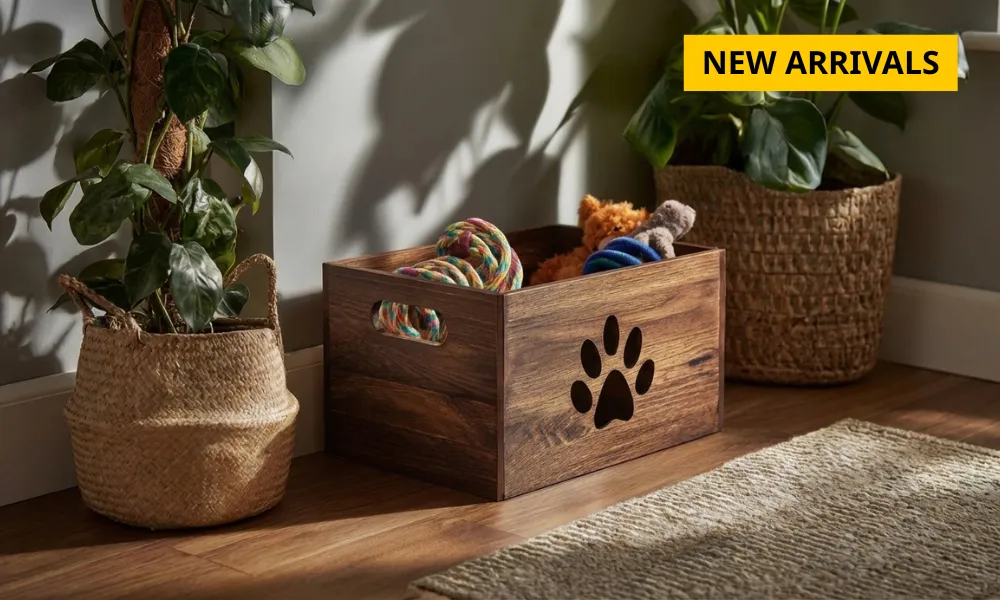
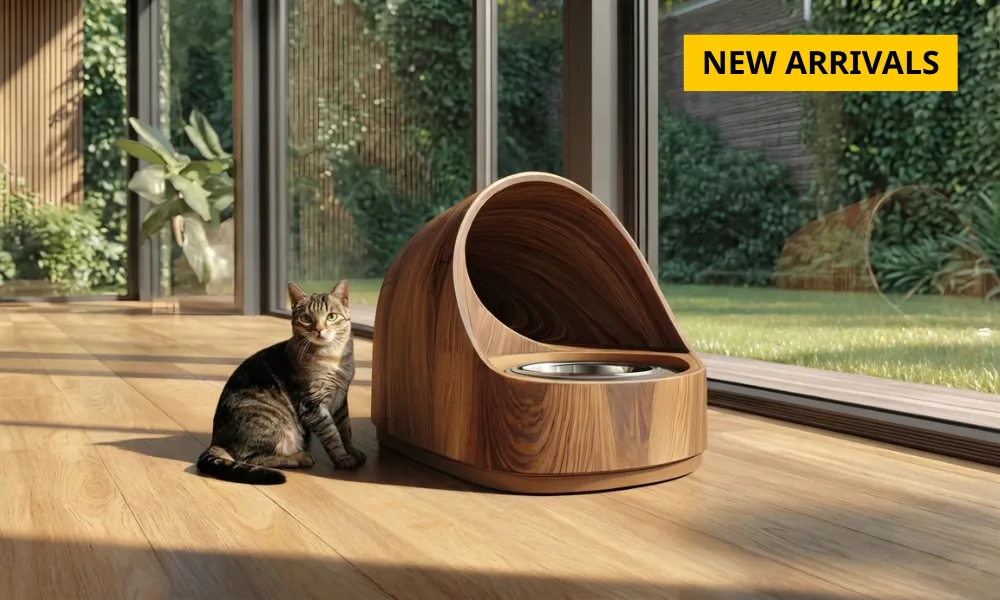
If your home setup includes feeding and storage nearby, keeping zones organized helps overall cleanliness. Consider pairing the sleep area with Bowl Stands for a consistent feeding spot, and Pet Toy Storage Boxes to reduce clutter that can creep into the rest zone.
Pet beds placement: building a reliable rest zone at home
Placement can make the difference between “loved” and “ignored.” The goal is a reliable rest zone where your pet can settle without interruption, while still feeling connected to the household.
- Choose a predictable location away from heavy foot traffic and direct drafts.
- Use a consistent routine (same bed, same spot) to help pets learn that the bed is their default rest area.
- Respect temperature preferences: some pets avoid beds placed in warm, sun-heavy corners; others seek them out.
- Support anxious pets by placing the bed where they can see the room but not be in the center of activity.
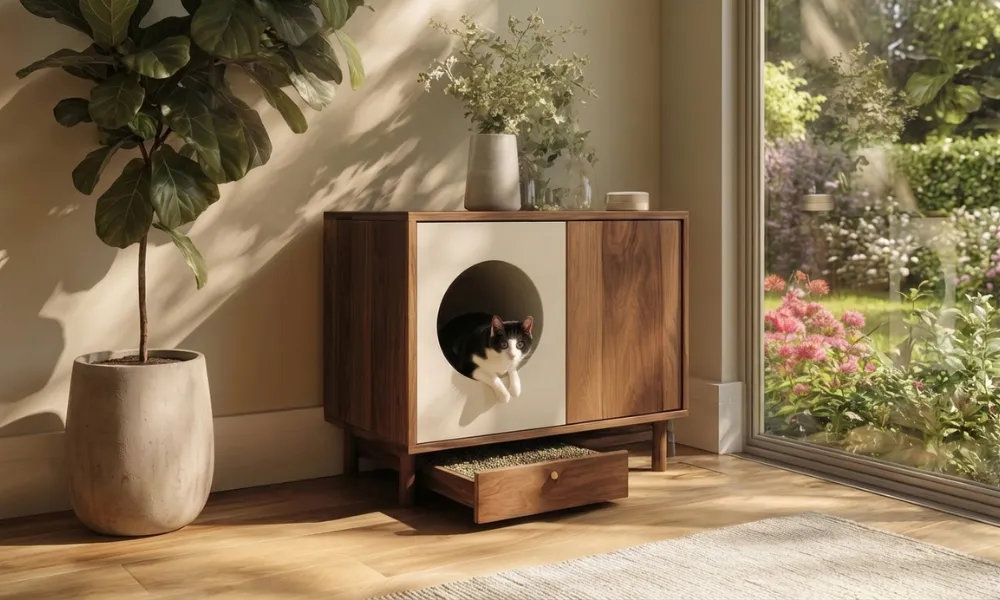
For small spaces, a dual-use piece can help you keep the rest zone tidy without adding more supplies. A Pet Hideaway Side Table can combine a calm nook with a functional surface, especially in living rooms or bedrooms where you want the pet area to blend in naturally.
Pet beds buying checklist + links to your collection
Use this checklist before you buy. It keeps your focus on what matters for day-to-day comfort and consistent use.
- Sleep style match: curler, sprawler, leaner, or burrower?
- Correct sizing: measure your pet in their most common relaxed position.
- Support level: does the bed keep shape without bottoming out?
- Shape choice: flat, bolster, donut, or lounge based on behavior and room layout.
- Care plan: removable, washable cover and easy weekly cleanup.
- Placement plan: a consistent spot that stays calm during household movement.
Shop the collection
Browse options that fit different sleep styles and room layouts: Pet Beds.
Build the full setup
Pair pet beds with nearby essentials: Bowl Stands, Pet Toy Storage Boxes, Pet Hideaway Side Tables.
For more guides like this, visit the Pet Beds blog and return to the Home page to browse all collections.